A small living room does not have to feel cramped, cluttered, or difficult to decorate. In fact, compact spaces can become some of the most inviting areas of a home when designed thoughtfully.
The challenge is not necessarily the size of your room but how you use the available space. Oversized accessories, poorly planned furniture arrangements, insufficient lighting, and too many decorative objects can make even a reasonably sized room feel crowded.
The good news is that you do not need to renovate your home to make a noticeable difference.
With the right small living room decorating ideas, you can create an interior that feels brighter, more organized, and visually spacious. From using mirrors strategically to choosing lighter colors and decorating vertical surfaces, small changes can improve the overall appearance of your room.
Here are ten practical ways to make your small living room feel bigger while keeping it stylish and comfortable.
1. Choose a Light and Cohesive Color Palette
Color influences how we perceive a space. Light shades can reflect more light, helping a room feel brighter and more open, especially when natural light is limited.
Consider colors such as warm white, ivory, soft beige, pale gray, and light sage for your walls and larger furnishings.
However, a small living room does not need to be completely white. Introduce personality through cushions, artwork, vases, and other decorative accessories.
For example, a beige sofa paired with sage-green cushions and a small terracotta vase can create a balanced, welcoming appearance.
The key is to maintain visual harmony. Too many contrasting colors can make a compact space feel visually busy.
Styling tip: Choose two or three main colors and repeat them throughout the room to create a cohesive look.
2. Use Mirrors to Create a Sense of Space
Mirrors are among the most effective decorative tools for creating the impression of a larger room.
A large wall mirror can reflect light and visually extend the space, particularly when positioned where it reflects a window or a bright part of the room.
You can place a statement mirror above a console table, lean an appropriately secured full-length mirror against a wall, or incorporate a round mirror into a decorative arrangement.
Pay attention to what the mirror reflects. A view of a window, greenery, or a well-styled corner usually works better than a cluttered shelf.
Mirrors do not physically increase floor space, but thoughtful placement can make a room feel more open.
3. Select Furniture That Fits the Room
One common mistake in small living rooms is choosing furniture based on appearance rather than proportion.
A large sofa with bulky arms may dominate a compact room, leaving little space to move around. Instead, consider furniture with a suitable footprint and a visually lighter design.
Slim arms, raised legs, and open bases can create a sense of openness because more of the floor remains visible.
If you are purchasing new furniture, measure the room, doorways, and available walking paths first.
Avoid filling every corner with a chair, side table, or cabinet. Leaving some breathing room can make the entire layout feel more spacious.
4. Keep the Floor as Clear as Possible
Visible floor space helps create an open appearance.
Instead of placing multiple decorative objects directly on the floor, use shelves, wall-mounted displays, or compact furniture where practical.
Choose accessories according to their function and visual impact. A single well-positioned planter may look more intentional than several small pots scattered around the room.
If you use a rug, choose a size that relates appropriately to your seating arrangement. A rug that is too small can make the furniture grouping feel disconnected.
The objective is not to eliminate decoration but to arrange it in a way that supports movement and visual balance.
5. Make Lighting Work for You
A dark room can feel smaller than a bright one. Good lighting helps create depth and makes decorative details more visible.
Start by making the most of natural daylight. Keep windows unobstructed where possible and choose curtains that suit the room’s proportions.
Add a floor lamp beside your sofa or a table lamp on a side table to create softer pools of light. Warm-white lighting often works well for relaxing living areas, although the best choice depends on the atmosphere you prefer.
You can also use fairy lights sparingly on shelves or in a reading corner.
Rather than relying entirely on one ceiling light, combine different sources to make the room feel layered and inviting.
6. Decorate Walls Instead of Adding More Furniture
When floor space is limited, walls offer valuable decorating opportunities.
Hang artwork above the sofa, install floating shelves, or use a carefully arranged gallery wall to introduce personality without adding bulky furniture.
Choose artwork that suits the scale of the room. One larger piece can sometimes look calmer than numerous tiny frames scattered across a wall.
If you install shelves, avoid filling every inch with decorative objects. Mix a few books, a small vase, and a framed print, leaving empty space between items.
This approach creates visual interest while helping the room feel organized.
7. Use Curtains to Enhance Height
Curtains can influence how tall a room appears.
If the room’s layout allows, installing a curtain rod closer to the ceiling and using floor-length curtains can draw the eye upward.
Choose fabrics that allow sufficient daylight into the room. Sheer curtains can soften bright sunlight while maintaining a light, airy appearance.
Keep the curtain color coordinated with the walls if you want a more continuous visual effect.
Avoid excessively heavy fabrics in a room that already feels dark or crowded, unless they serve a necessary practical purpose.
8. Introduce Small Decorative Accessories Carefully
Accessories bring personality to a living room, but too many can create visual clutter.
Instead of displaying every decorative item you own, choose a few pieces that complement one another.
For example, style your coffee table with a tray, a small vase, and one candle holder. Add a coordinated cushion or two to connect the arrangement with the rest of the room.
Use decorative objects of different heights to create interest, but maintain enough empty space for the eye to rest.
When selecting accessories, consider their size as well as their color. A small room can accommodate statement décor, provided it is used intentionally.
9. Add Greenery Without Overcrowding the Room
Plants and planters can make a living room feel fresh and inviting.
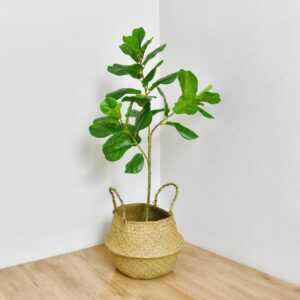
For a compact space, choose a few well-positioned plants instead of creating a crowded indoor jungle. Small planters can sit on shelves or windowsills, while a taller plant can fill an otherwise unused corner.
Choose plants suited to your available light and maintenance preferences. Artificial greenery is another option if you want a decorative element without plant-care responsibilities.
Use planters that complement your color scheme to create a coordinated appearance.
10. Create Clear Zones in an Open Layout
If your living room also serves as a workspace, dining area, or reading corner, define each function clearly.
A rug can distinguish the seating area, while a floor lamp and comfortable chair can establish a reading nook. A compact desk against a wall can create a work zone without dividing the entire room.
Keep pathways between these zones clear.
The aim is to make the room easy to navigate and understand visually. A thoughtfully organized layout often feels more spacious than a room filled with furniture without a clear arrangement.
Common Small Living Room Decorating Mistakes to Avoid
Avoid buying furniture before measuring the space. Do not rely on dark corners and a single harsh light source if the room already lacks brightness.
Be cautious about using too many patterns, displaying excessive small accessories, or choosing rugs that are disproportionately small.
Most importantly, do not assume every trend will suit your home. A compact room benefits from choices that reflect its dimensions, lighting, and everyday needs.
Final Thoughts
Decorating a small living room is about making thoughtful decisions rather than sacrificing style.
Light colors, strategically placed mirrors, appropriately sized furniture, layered lighting, and carefully selected accessories can help your space feel brighter and more comfortable.
Start with one improvement, observe how it changes the room, and build from there.
At Sunny Side, we believe even the smallest spaces deserve thoughtful details. From decorative cushions and planters to wall art, vases, and candle holders, the right accessories can help you create a living room that feels personal, welcoming, and beautifully balanced.
Looking for small-space styling inspiration? Explore Sunny Side’s home décor collection and find accessories that bring more personality to your living room without overwhelming it.
Leave a Reply