Moving into a new home is exciting. You finally have a space where you can create your own routines, display your favorite things, and build an environment that feels personal.so Discover 12 essential home décor items for your new home, including cushions, lamps, mirrors, planters, wall art, and stylish accessories.
However, decorating an empty home can also feel overwhelming. There are countless accessories available, and it is easy to spend money on attractive products before deciding what your space actually needs.
The best approach is to begin with the essentials and add decorative details gradually.
You do not need to purchase every accessory at once. Instead, focus on items that improve comfort, introduce personality, and complement your existing furniture.
Whether you are moving into your first apartment, furnishing a new house, or refreshing your current interiors, this home décor checklist can help you make more thoughtful choices.
Here are twelve home décor items worth considering.
1. Decorative Cushions
Decorative cushions are versatile accessories that can refresh sofas, beds, armchairs, and reading corners.
They introduce color, softness, and texture without requiring major changes to your furniture.
Choose covers that complement your existing furnishings. Neutral cushions work well as a foundation, while patterned or brightly colored designs can add personality.
Consider purchasing a small selection in different sizes or textures rather than buying many identical cushions.
Cushions are particularly useful when you want to update your interiors seasonally without replacing expensive furniture.
2. Table and Floor Lamps
Lighting is essential for both functionality and atmosphere.
A table lamp can make a bedside table or living room corner feel more inviting. A floor lamp can provide additional illumination beside a sofa or reading chair.
Choose lamps according to the room’s size, lighting requirements, and overall style.
For a coordinated look, consider finishes that complement your furniture, such as wood, ceramic, metal, or fabric shades.
Before purchasing a lamp, check its dimensions, bulb requirements, and electrical specifications.
Decorative lighting should enhance your home while providing adequate illumination for the activities you perform there.
3. Wall Art and Photo Frames
Wall art helps a house feel personal rather than temporary.
You can display photographs, abstract prints, typography artwork, illustrations, or meaningful memories.
If you prefer a clean appearance, choose one larger artwork for a focal wall. Alternatively, create a gallery wall with frames arranged in a balanced pattern.
Choose artwork according to the available wall space and the room’s color palette.
Photo frames are particularly useful in bedrooms, hallways, and living rooms because they allow you to introduce personal details without changing the entire interior.
4. Decorative Mirrors
Mirrors combine practical value with decorative appeal.
A mirror near an entryway can be useful before leaving home, while a full-length mirror can be convenient in a bedroom.
Decorative mirrors can also help reflect available light and create a sense of visual depth.
Choose the shape and frame according to your interior style. Round mirrors often introduce softness, while rectangular designs can complement contemporary spaces.
Check the mounting requirements and ensure that larger mirrors are securely installed.
5. Indoor Planters
Planters are simple accessories that introduce natural colors and interesting shapes into your home.
Place small planters on shelves, desks, and windowsills, or use a larger planter to style an empty corner.
Select live plants according to their light and watering requirements. If you prefer minimal maintenance, artificial greenery can offer a decorative alternative.
The planter itself can also contribute to the overall design. Ceramic, textured, woven-look, and neutral-colored options can complement different interiors.
Choose sizes that suit the plants and the available surface area.
6. Decorative Vases
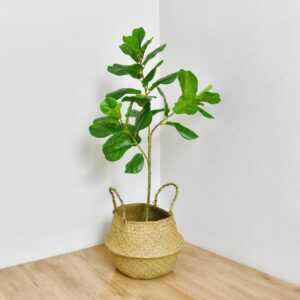
Vases are useful styling accessories even when you do not regularly purchase fresh flowers.
A vase can stand alone as a decorative object or hold fresh flowers, dried arrangements, or suitable artificial stems.
Place one on a coffee table, dining table, console, or shelf.
Consider the shape and finish of the vase when choosing where to display it. A tall vase may work well on a console, while a smaller design may suit a bedside table.
For a coordinated arrangement, select a vase that complements nearby artwork, cushions, or other accessories.
7. Candles and Candle Holders
Candles can introduce warmth and create an attractive focal point on a coffee table, dining table, or bedside surface.
Decorative candle holders help give a display a more finished appearance. Choose materials and shapes that match your preferred style.
You can arrange a candle holder with a tray and a small vase to create a simple tabletop display.
If open flames are unsuitable for your home, LED candles offer a flame-free decorative alternative.
Always follow candle safety instructions and never leave a burning candle unattended.
8. Decorative Trays
A decorative tray can help organize small accessories while making a surface look more intentional.
Use one on a coffee table for a candle and vase, on a bedside table for everyday essentials, or on an entryway console for keys and other small objects.
Choose a tray that fits the surface without occupying too much space.
Materials such as wood, metal, and ceramic-inspired finishes can complement different decorating styles.
A tray is especially helpful when you want to group several objects without making a display look scattered.
9. Throws and Soft Furnishings
Throws provide warmth while contributing color and texture to a living room or bedroom.
Drape one over the arm of a sofa, fold it at the end of your bed, or keep it near a reading chair.
Choose a fabric appropriate for your climate and the amount of maintenance you prefer.
Coordinate the throw with your cushions or bedding to create a unified appearance.
Soft furnishings are useful for updating a room because they can be changed more easily than large pieces of furniture.
10. Decorative Shelves
Shelves help display accessories while making use of vertical space.
Use them for books, small planters, framed prints, vases, and other lightweight decorative objects.
When styling shelves, vary the height of the items and leave empty spaces between groups. This creates a more balanced arrangement.
Before installing a shelf, consider the wall material, the weight of the objects, and the appropriate mounting hardware.
For rented homes, check your agreement before making permanent alterations.
11. Rugs
A rug can help define a seating area, introduce texture, and make a room feel more complete.
In a living room, choose a size that relates to your furniture arrangement. A rug that is too small may make the seating area feel disconnected.
In bedrooms, rugs can add comfort around the bed, while smaller rugs may suit selected entryways or reading corners.
Consider cleaning requirements, material, durability, and whether the rug is suitable for your household.
If you have children, pets, or slippery flooring, consider appropriate maintenance and an anti-slip solution where needed.
12. Decorative Storage
Beautiful interiors still need practical storage.
Baskets, boxes, and decorative containers can help organize blankets, magazines, accessories, and other everyday items.
Choose storage pieces that complement your room rather than treating them as an afterthought.
For example, a woven basket beside a sofa can hold throws, while a small box on a shelf can keep miscellaneous objects out of sight.
Good storage reduces visible clutter and makes it easier to maintain an attractive space.
How to Prioritize Your Home Décor Shopping List
Not every home needs all twelve items immediately. Your priorities should depend on the rooms you use most, your existing furniture, and your budget.
Start by identifying what is missing. If your living room feels empty, wall art and cushions might make the biggest difference. If your bedroom feels harsh at night, a table lamp and soft furnishings may be more useful.
A simple purchasing order is:
- Address practical needs and lighting.
- Introduce foundational soft furnishings.
- Add a few decorative focal points.
- Incorporate plants, vases, and tabletop accessories.
- Finish with smaller personal details.
Measure your surfaces before ordering products, and check dimensions carefully when shopping online.
Avoid purchasing several accessories that serve the same decorative purpose unless you have a specific styling plan.
Final Thoughts
Decorating a new home becomes easier when you focus on essentials instead of trying to complete every room immediately.
Cushions, lamps, mirrors, wall art, planters, vases, candles, trays, throws, shelves, rugs, and decorative storage can all contribute to a comfortable and attractive interior.
The key is to select pieces that work together and suit your everyday life.
At Sunny Side, we believe that home décor should be both beautiful and meaningful. The right accessories can help you transform an unfamiliar space into a place that feels personal, comfortable, and welcoming.
Building your home décor collection? Explore Sunny Side’s decorative accessories and find the pieces that help turn your new house into a home.
Leave a Reply