Introduction
Your home should feel like your favorite place in the world. It should reflect your personality, make you feel comfortable, and give you a sense of belonging. But creating a beautiful home does not mean spending a fortune on expensive furniture, designer accessories, or complete renovations.
With the right budget-friendly home décor ideas, even the simplest space can become warm, inviting, and visually appealing. Small changes, such as adding cushions, introducing greenery, displaying wall art, or improving your lighting, can make a remarkable difference.
Whether you live in a rented apartment, a compact home, or a spacious house, you can create an aesthetic interior without stretching your budget.
At Sunny Side, we believe beautiful homes are not about how much you spend but how thoughtfully you decorate. Here are ten affordable ways to give your home a fresh, stylish look.
1. Refresh Your Space with Decorative Cushions
Decorative cushions are one of the easiest ways to update your living room or bedroom without replacing your furniture.
Choose cushion covers that complement your existing sofa, bedding, or curtains. Neutral shades such as beige, cream, and white create a calm atmosphere, while mustard yellow, sage green, and terracotta can introduce warmth and personality.
Experiment with different textures, patterns, and sizes to create a layered appearance. For example, combine two solid-colored cushions with one patterned cushion for a balanced look.
Styling tip: Change your cushion covers according to the season or your mood. It is an affordable way to make your interiors feel new without purchasing an entirely new set of furnishings.
2. Use Wall Art to Express Your Personality
Empty walls can make a room feel unfinished. Wall art offers an opportunity to introduce color, creativity, and personal meaning into your interiors.
You do not need expensive paintings to decorate your walls. Affordable prints, abstract artwork, typography posters, and framed photographs can look equally attractive when arranged thoughtfully.
Create a gallery wall above your sofa, bed, or study desk. Alternatively, choose one statement piece for a minimalist interior.
For a cohesive appearance, select frames in similar finishes or artwork that shares a consistent color palette.
Pro tip: Before hanging anything, arrange the frames on the floor to experiment with different layouts. This helps you visualize the final arrangement and avoid unnecessary wall damage.
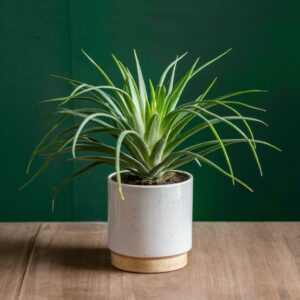
3. Bring Nature Indoors with Plants and Planters
Indoor plants can introduce freshness and visual interest into almost any room. They also help create a relaxing connection with nature.
Choose plants according to the amount of natural light available in your home. If maintaining live plants feels difficult, consider low-maintenance varieties suited to your conditions or use artificial plants for decorative purposes.
Place small planters on shelves, desks, and windowsills. Larger plants can fill empty corners, while hanging planters can add visual interest to unused vertical space.
Choose decorative planters that complement your interiors. Ceramic finishes, woven textures, and neutral-colored pots can work beautifully in many decorating styles.
Remember that artificial plants are decorative alternatives, not substitutes for the air-quality benefits of living plants.
4. Create a Cozy Atmosphere with Candles
Candles can make a space feel intimate, warm, and inviting. Their decorative appeal makes them suitable for coffee tables, bedside tables, dining areas, and entryway consoles.
Arrange candles in decorative holders or place them on a tray with a small vase and a favorite accessory. This creates a simple yet intentional display.
For a coordinated look, choose candle holders that complement your room’s materials and colors.
If you prefer a flame-free option, consider LED candles.
Safety tip: Never leave burning candles unattended. Keep them away from curtains, paper, children, and pets, and place them on stable, heat-resistant surfaces.
5. Upgrade Your Lighting
Lighting has a significant influence on how a room looks and feels. Even attractive furniture can appear uninviting under harsh lighting.
Consider using warm-white bulbs in spaces where you want a relaxed atmosphere, such as bedrooms and living rooms. Table lamps can introduce soft illumination, while fairy lights can add a decorative touch to shelves, mirrors, and cozy corners.
If your room receives natural sunlight, avoid blocking windows with unnecessarily heavy curtains. Making the most of daylight can help your space feel brighter and more open.
Instead of relying on one strong overhead light, experiment with multiple light sources at different heights.
6. Style Your Coffee Table
A coffee table can become a focal point in your living room with just a few carefully selected accessories.
Start with a decorative tray to create a defined styling area. Add a small vase, a candle, and one or two books or decorative objects.
The goal is to create visual interest without overcrowding the surface.
For smaller tables, choose a few compact accessories. For larger tables, arrange objects in groups of varying heights to make the display more dynamic.
Leave enough room for everyday activities, including placing drinks and serving snacks.
7. Decorate with Mirrors
Mirrors are useful decorative elements that can make a room feel brighter and visually more spacious when positioned thoughtfully.
Place a mirror opposite or adjacent to a window where it can reflect natural light. A decorative mirror above a console table can also create an attractive entryway.
Round mirrors can soften interiors dominated by straight lines, while rectangular mirrors often complement contemporary and minimalist spaces.
Choose a frame that matches your overall style, whether that means natural wood, metallic finishes, or simple black borders.
Remember that mirrors reflect whatever is opposite them, so consider the view before deciding where to place one.
8. Add Texture with Throws and Soft Furnishings
A room can look beautiful yet feel incomplete when it lacks texture. Throws, rugs, cushions, and fabric accessories help create depth and comfort.
Drape a throw over one side of your sofa or fold it neatly at the end of your bed. Combine different textures, such as cotton, knitted fabrics, linen, and velvet, while keeping your color palette consistent.
For a small budget, focus on the areas you notice most often rather than purchasing accessories for every room.
A textured throw and two coordinated cushion covers may be enough to refresh an existing sofa.
9. Make Use of Vertical Space
Small homes often have limited floor space, making vertical styling particularly useful.
Floating shelves, wall-mounted planters, and carefully arranged frames can help you decorate without filling every corner with furniture.
Use shelves to display small vases, books, framed prints, and decorative objects. Leave some empty space between items to prevent the arrangement from looking cluttered.
If you are renting, consider removable mounting solutions only where appropriate for the wall surface and the item’s weight. Always follow the manufacturer’s installation instructions.
10. Create a Signature Corner
You do not need to decorate your entire home at once. Start with one corner that reflects your personality.
It could be a reading nook with a comfortable chair and warm lighting, a bedside table styled with a lamp and vase, or a small entryway featuring a mirror and decorative tray.
Choose three or four accessories that work together rather than buying unrelated objects simply because they look attractive individually.
A thoughtfully styled corner can make your home feel more personal and give you inspiration for decorating other areas later.
How to Decorate Your Home on a Budget
Before buying anything, identify what your space needs. Is it lacking color, lighting, texture, or personality?
Next, establish a realistic budget and prioritize items that will have the greatest visual impact. Reuse existing accessories wherever possible, and select new pieces that complement what you already own.
It is also helpful to choose a consistent color palette. Two or three main colors, supported by neutrals, can make affordable accessories look coordinated and intentional.
Avoid purchasing every trending item you see online. A beautiful home develops over time, and thoughtful choices generally create a more timeless result than impulse buying.
Final Thoughts
Creating a beautiful home does not require a massive budget. With decorative cushions, wall art, planters, candles, thoughtful lighting, and carefully styled surfaces, you can transform your surroundings one small change at a time.
The secret is to focus on comfort, balance, and personality rather than simply following trends.
At Sunny Side, we believe every home deserves little touches of warmth and happiness. Explore decorative accessories that complement your space and start creating a home that feels uniquely yours.
Ready to refresh your interiors? Discover affordable home décor accessories from Sunny Side and find the little details that make a house feel like home.
Leave a Reply